logo
家へ
製品
ビデオ
わたしたち に つい て
工場 ツアー
品質管理
連絡 ください
見積依頼
ニュース
会社のニュース
Zhejiang Meibao Industrial Technology Co.,Ltd
ホーム ニュース

How Sulfonic Acid Price Fluctuation Affects Washing Powder Factories

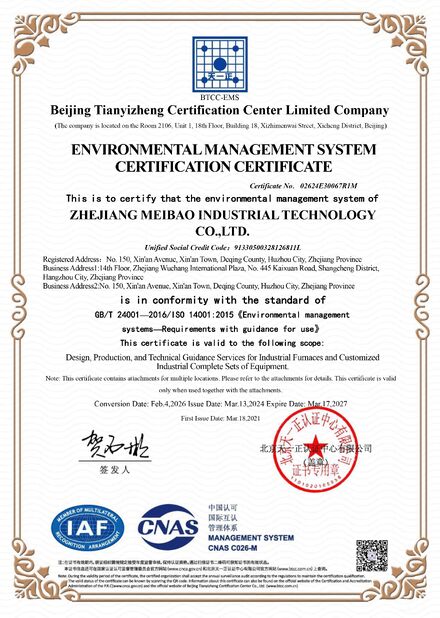
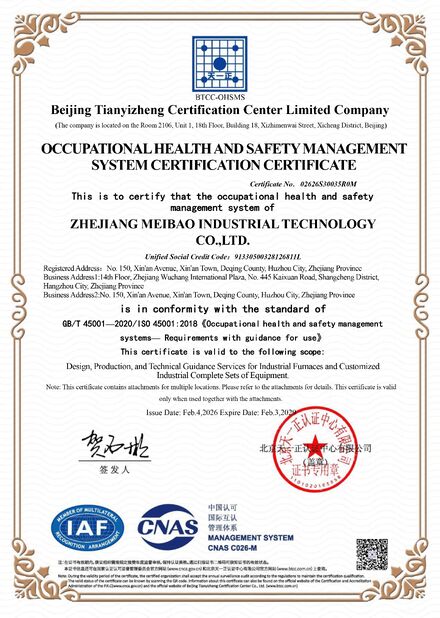
中国 Zhejiang Meibao Industrial Technology Co.,Ltd 認証
企業の開発は皆責任です。新しい旅行のステップは、新しい出発点に基づいて、新年にに決定して、新しい華麗の作成します!

—— 単一レバー

私はあなたの会社が、事業開発および繁栄しているビジネス量ることを望みます。私は私達が誠意をこめて協力し、共同で原因を作成してもいい未来を望みます!

—— P&G

オンラインです
会社 ニュース
How Sulfonic Acid Price Fluctuation Affects Washing Powder Factories
最新の会社ニュース How Sulfonic Acid Price Fluctuation Affects Washing Powder Factories

Sulfonic acid is one of the main raw materials used in washing powder production. When its price moves sharply, the effect on a detergent factory can be direct and immediate. It can change raw material cost, production planning, formula control, delivery schedules, and even customer pricing decisions.

This issue has become more important in recent weeks because conflict linked to Iran and disruption around the Strait of Hormuz have pushed up oil and logistics pressure across the broader petrochemical chain. Reuters reported that oil supply has been disrupted, shipping through Hormuz has fallen sharply, and manufacturers in chemicals and related sectors are already feeling the impact of raw material shortages and higher costs.

At Meibao, we understand that detergent production depends not only on equipment, but also on the stable supply and cost control of key detergent raw materials. That is why sulfonic acid price fluctuation has become a serious concern for many washing powder manufacturers.

Why Sulfonic Acid Price Matters So Much

In a washing powder factory, sulfonic acid is not a minor ingredient. It is one of the core active raw materials that affects cleaning performance and formula value. Because of this, when its market price changes, the factory cannot simply ignore the impact.

A rise in sulfonic acid price can quickly affect:

  • raw material cost
  • product cost structure
  • formula budgeting
  • production profit margin
  • sales quotation stability

For factories with tight margins, even a moderate increase in a key raw material can create strong pressure.

最新の会社ニュース How Sulfonic Acid Price Fluctuation Affects Washing Powder Factories  0

Why Prices Have Become More Unstable

Sulfonic acid prices are linked to the wider petrochemical and logistics chain. When oil prices rise, freight costs increase, or shipping routes become unstable, the pressure often moves through the supply chain and reaches detergent raw materials.

Reuters reported this month that the Middle East conflict has kept oil prices high, disrupted energy and raw material supply chains, and caused delays in shipments. Reuters also reported that traffic through the Strait of Hormuz fell to a fraction of normal levels and that shipping companies still expect a long recovery period even after temporary de-escalation.

For detergent manufacturers, this means sulfonic acid prices may face pressure from both sides:

first, from upstream energy and feedstock cost;
second, from transport, insurance, and delivery uncertainty.

1. Higher Raw Material Cost Pressure

The first effect is simple. If sulfonic acid becomes more expensive, the total cost of washing powder production also rises.

This is especially important for factories that produce:

  • standard household washing powder
  • mass-market detergent products
  • price-sensitive private label products

These products often compete strongly on cost. If one key raw material moves up too quickly, the factory may have to choose between lower profit and higher selling price.

In a competitive market, neither choice is easy.

2. More Pressure on Factory Profit Margin

Many washing powder factories work with fixed customer prices for a period of time. If sulfonic acid prices rise suddenly during that period, the factory may not be able to pass the extra cost to the customer immediately.

This creates margin pressure.

The result may include:

  • lower profit per ton
  • weaker cash flow
  • more pressure on purchasing decisions
  • more risk in large-volume orders

This is one reason why raw material price fluctuation can become a management problem, not only a purchasing problem.

3. More Difficult Production Planning

When sulfonic acid prices are unstable, factories often become more careful with purchasing and inventory decisions. Some may delay buying and wait for better prices. Some may buy earlier and hold more stock. Both choices carry risk.

If the factory buys too late, it may face:

  • short supply
  • higher spot prices
  • production delays

If the factory buys too early or too heavily, it may face:

  • stock pressure
  • capital pressure
  • cost risk if the market drops later

So price fluctuation makes production planning harder and less predictable.

4. More Pressure on Formula Stability

Some factories may think about adjusting the formula when sulfonic acid prices rise. This may happen when the factory wants to control cost or reduce dependence on one raw material.

Still, formula adjustment is not simple.

If changes are made too quickly, the factory may face:

  • weaker cleaning performance
  • different foam behavior
  • customer complaints
  • product inconsistency between batches

Because of this, a washing powder factory should treat formula changes very carefully. Cost control is important, but stable product performance is also important.

5. More Difficult Quotation and Sales Management

Sulfonic acid price fluctuation also affects the commercial side of the business. A factory that cannot predict raw material cost well may find it harder to give stable quotations to customers.

This creates problems in:

  • export quotation
  • long-term contract pricing
  • distributor negotiations
  • delivery scheduling

For export-oriented detergent factories, this issue is even more serious because freight costs and raw material costs may move at the same time.

Reuters reported that large shipping companies are still facing high extra costs and long delays linked to the Middle East disruption, and some of those costs may be passed on to customers.

6. More Need for Inventory and Supply Chain Control

In a stable market, factories can often use more routine purchasing plans. In an unstable market, that is harder to do.

When sulfonic acid prices move sharply, factories need stronger control over:

  • supplier communication
  • stock level
  • delivery timing
  • raw material safety stock
  • alternative sourcing options

This is not only about buying cheaper. It is also about making sure the production line can keep running.

For many factories, supply continuity is now just as important as price.

7. More Risk for Small and Medium Washing Powder Factories

Large detergent companies may have stronger purchasing power, larger stock capacity, and better ability to absorb short-term cost increases. Small and medium factories usually feel the pressure faster.

They may have:

  • less room for bulk purchasing
  • weaker bargaining power
  • tighter working capital
  • less flexibility in delivery timing

Because of this, sulfonic acid price fluctuation can affect smaller factories more directly.

最新の会社ニュース How Sulfonic Acid Price Fluctuation Affects Washing Powder Factories  1

What Washing Powder Factories Can Do

When sulfonic acid prices become unstable, factories should focus on practical control steps.

Strengthen raw material planning

A better purchasing plan can reduce emergency buying and help the factory react earlier to market changes.

Keep closer contact with suppliers

Fast communication matters more in a volatile market. A reliable supplier can help the factory understand supply conditions earlier.

Review inventory policy

Factories should check whether their stock level is too low for the current market risk.

Protect formula consistency

If any formula adjustment is considered, testing should come first. Product quality should not be sacrificed too quickly for short-term cost control.

Review quotation cycles

In a volatile market, shorter quotation validity or more flexible pricing terms may help reduce commercial risk.

Why This Matters for Long-Term Factory Stability

Sulfonic acid price fluctuation is not only a short-term purchasing issue. It also shows how important supply chain resilience has become for detergent manufacturers.

A stronger factory is usually one that can do these things well:

  • control raw material risk
  • keep product quality stable
  • maintain delivery reliability
  • respond to market changes faster
  • protect margins during volatile periods

In the current market, this kind of stability is becoming a real competitive advantage.

Meibao Support for Detergent Production

At Meibao, we understand that a washing powder factory depends on both equipment and raw material planning. In a market with stronger supply pressure and price fluctuation, customers need more practical support, clearer communication, and more stable production planning.

We continue to pay close attention to key detergent raw materials such as sulfonic acid and support customers with production solutions based on real market conditions.

FAQ

Why does sulfonic acid price fluctuation matter to a washing powder factory?

Because sulfonic acid is a key detergent raw material. Its price directly affects production cost, margin, and quotation stability.

Why have sulfonic acid prices become more unstable recently?

Recent conflict linked to Iran, higher oil prices, and disruption around the Strait of Hormuz have increased pressure across energy, petrochemical, and logistics supply chains.

Can a factory simply change the formula when sulfonic acid prices rise?

Not easily. Formula changes can affect cleaning performance, foam, and product consistency, so they should be tested carefully.

What should detergent factories focus on during price volatility?

They should focus on supplier communication, stock planning, formula stability, and better quotation control.

パブの時間 : 2026-04-15 09:44:45 >> ニュースのリスト
連絡先の詳細
Zhejiang Meibao Industrial Technology Co.,Ltd

コンタクトパーソン: Ms. Helen Zhong

電話番号: 0086571-86787432 / 0086571-85185926

ファックス: 86-571-8530-1731

私達に直接お問い合わせを送信 (0 / 3000)